


ape_aioliko_1

WIND ENERGY

Wind Systems Laboratories
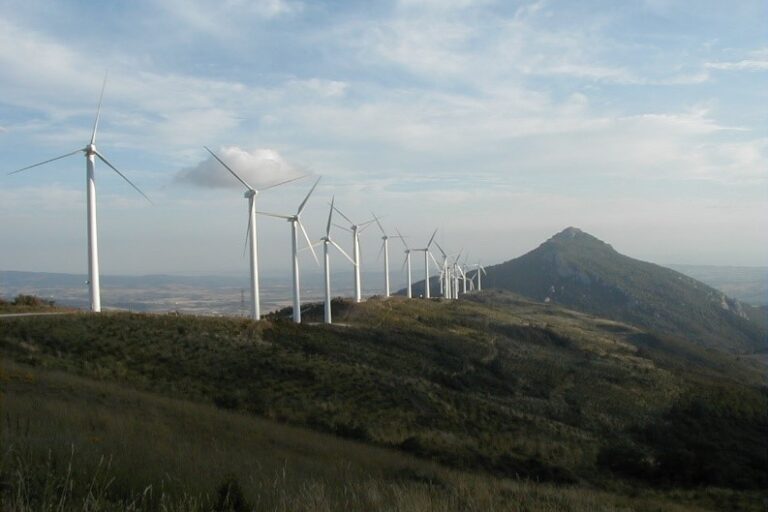
These include:
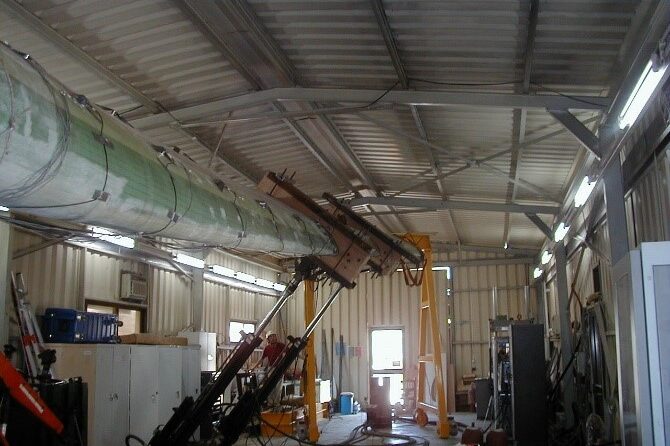
  • A Wind turbine testing laboratory that includes a laboratory for testing 25m wind turbine blades
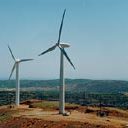
  • A Station for Wind turbine testing
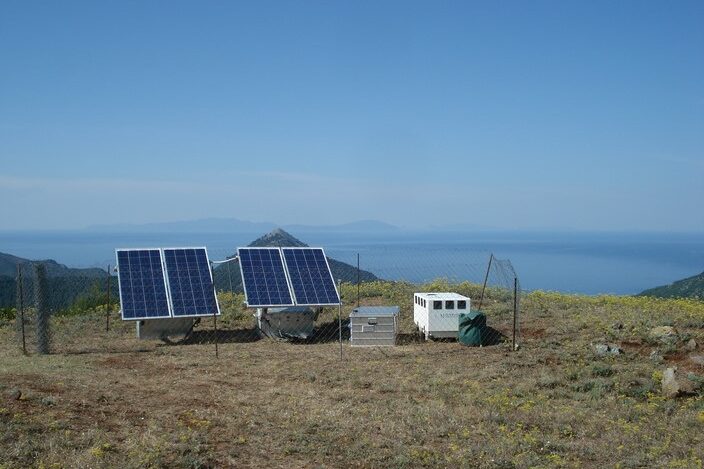
  • A Hybrid wind diesel systems facility
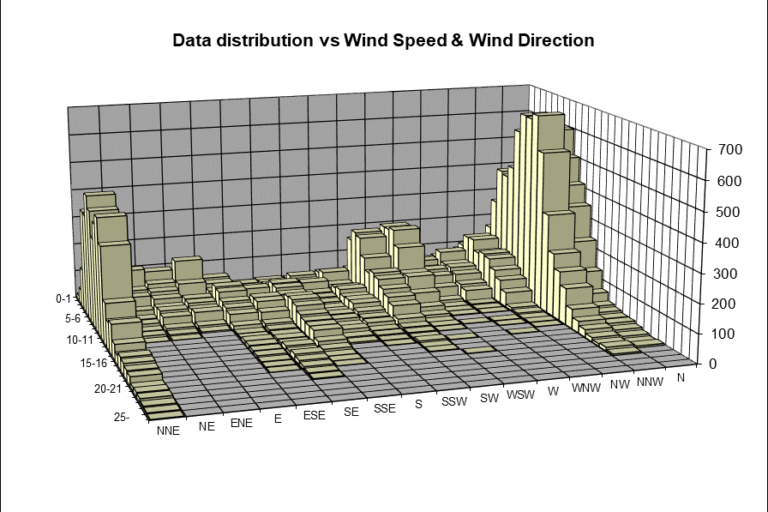
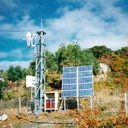
  • A Network of 100 stations for measuring wind characteristics
The wind systems laboratories offer the following services:
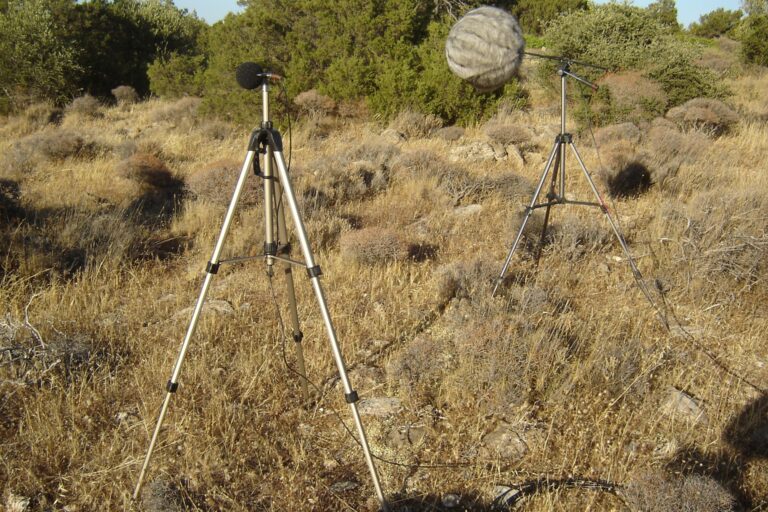
  • Measurement of wind turbines testing operational characteristics (power curve measurements, power quality measurements, noise levels).
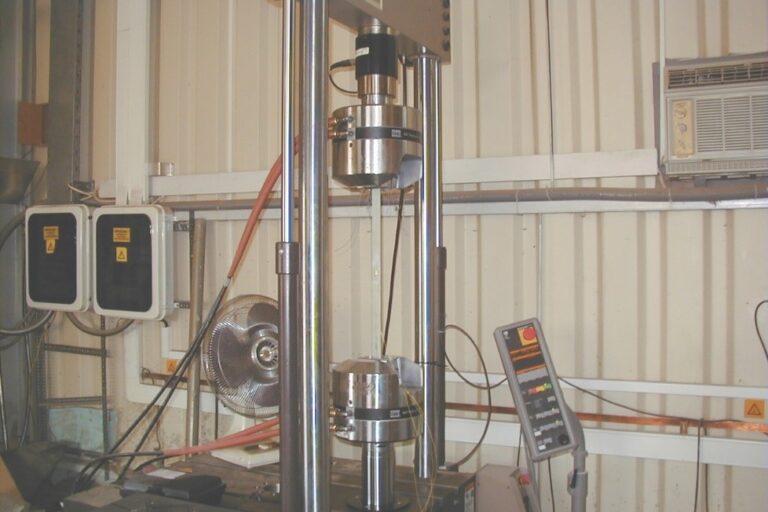
  • Wind turbine fatigue testing (aerodynamic and mechanical loads)
  • Wind turbine blade testing (static, fatigue and dynamic testing)
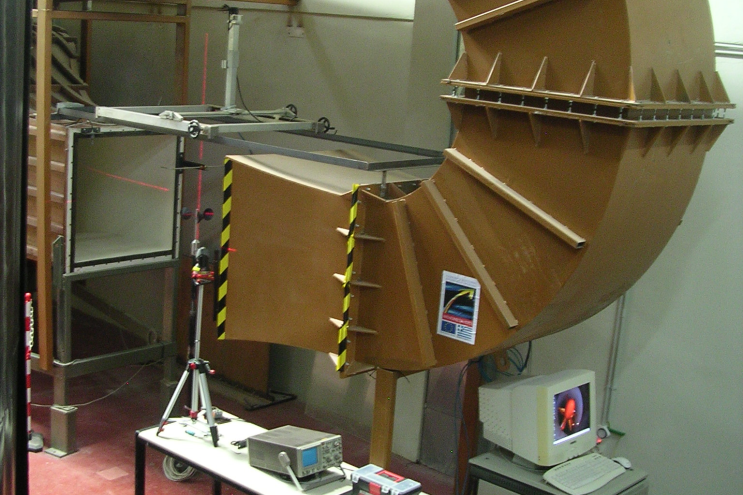
  • Anemometer calibration
  • Wind Energy Resource assessment
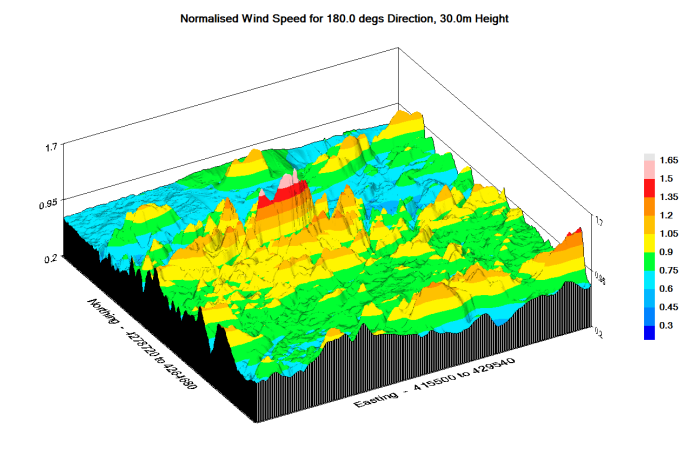
  • Wind-potential estimation over complex terrain by means of a numerical tool developed inhouse for micrositing
  • Analysis and design of horizontal axis of wind turbines by means of an aeroelastic simulator developed inhouse (code named ALKYONE)
  • Hybrid wind – diesel systems laboratory services (fuel saving, system stability etc.)
Services

ape_biomass

BIOMASS

Biomass Resources Laboratory
Biomass resources for energy production comprise a wide variety of materials derived from plants and animals such as crop, forest and agro-industrial residues, energy crops, the biodegradable fraction of municipal solid waste and sewage sludge. The physical and chemical composition and properties of biomass are important factors to determine its fuel potential, quality and to predict possible problems such as corrosion, formation of slags and deposits, etc., that could arise in energy applications.
The Biomass Resources Laboratory of CRES is part of the Biomass Department of the Directory of Renewable Energy Sources of CRES and performs fuel characterization of biomass resources.
The laboratory provides technical support to the following sectors:
Industrial sector:
  • Biomass production / handling enterprises
  • Equipment manufacturers
  • Energy planners
Applied Research and Technological Development:
  • Participation in RTD projects dealing with the production and handling of biomass resources.
  • Development of methodologies and procedures for biomass analysis.
  • Participation in WorkGroup 4 (Physical/mechanical tests) of the CEN action for the standarisation of biofuels (CEN/TC 335).
The Biomass Resources Laboratory of CRES performs fuel analysis of biomass materials including:
  • determination of calorific value
  • proximate analysis
  • elemental analysis (CHN/S)
  • bulk density
  • nitrogen content (Kjeldahl method)
  • sugar content, etc.
  • particle size distribution
The laboratory is equipped with:
  • Systems for sample preparation.
  • Bomb Calorimeter (PARR 1261).
  • Elemental Analyzer CHN/S (Perkin Elmer Series II 2400).
  • Proximate analyzer (LECO TGA 501).
  • Nitrogen determination system, kjeldahl method (Tecator).
  • Fibertec system (Tecator).
  • Spectrophotometer (Hitachi).
  • Polarimeter (ATAGO).
  • Rotary evaporator (BUCHI).
  • Leaf Area Meter (Delta-T).
  • Moisture Analyzer (SANTORIUS).
  • pH meter (Jenco Electronics Ltd).
  • Automatic moisture analyzer (Santorius)
  • Leaf area meter (Delta T)
  • Drying furnaces, etc.
ape_geotherm

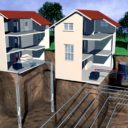
GEOTHERMAL ENERGY

  • Studies for the development and implementation of geothermal energy technologies
  • Identification and assessment of geothermal resources
  • Optimum design of geothermal energy exploitation systems
  • Identification and solution of technical problems
ape_solar

SOLAR THERMAL ENERGY

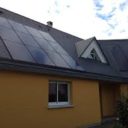
CRES – Solar Thermal Systems Department is engaged in designing, developing and monitoring of innovative solar thermal systems. It has participated in a large number of European, national and international projects, as a coordinator or partner.
Main expertise areas are focused on the following sectors:
A. Solar Thermal Systems
Large scale solar thermal systems for:
  • Sanitary hot water
  • Solar assisted heating
  • Solar air conditioning
  • Air systems (solar systems with air collectors, solar assisted heat pumps)
  • Hybrid systems with solar and another RES or RUE technology (solar combined with biomass boilers, helio-geothermal systems for cooling and heating, solar systems
  • Solar Combi systems (solar systems for combined hot water and space heating)
Concentrated solar thermal systems for:
  • Industrial purposes
  • Steam production
  • Electricity generation
  • Desalination
Services for the above mentioned solar thermal systems:
  • Solar potential analysis
  • Conceptual design, pre-design/design studies for commercial application and for pilot and demonstration plants
  • Modelling and Dynamic simulations
  • Commissioning
  • Monitoring and Performance evaluation
  • Dissemination actions of the above mention technologies tailored to specific target group buildings (hotels, hospitals, industry, public buildings)
B. Solar Thermal Collectors
  • Solar potential analysis
  • Flat plate collectors
  • Vacuum Tube Collectors
  • Concentrating solar collectors
Services for the above mentioned solar thermal products
  • Energy modelling
  • Thermo-hydraulic analysis
  • Optics modelling
  • Simulation
C. Solar Thermal Department Infrastructures
  • Solar cooling system in CRES premises in Pikermi (35 kW absortion chiller/ 150 m2 collector area)
  • Desiccant Evaporative Cooling unit in the Park of Energy Awareness of CRES, in Keratea, Attiki
DSC01378_Stathmos-plirosis-kai-sympiestis-ydrogonou

HYDROGEN TECHNOLOGIES

Hydrogen along with electricity and biofuels will be an important energy carrier in the medium to long term. In the short term hydrogen will be produced by fossil fuels, but gradually it will be derived increasingly from carbon-free sources.
CRES is actively involved in the field of hydrogen as an energy carrier, considering hydrogen as a medium that will enable the storage of excess energy produced from RES that will allow an increase of RES penetration in the electricity and transport sectors.
Pilot unit for hydrogen production from wind energy in the wind park of CRES in Keratea comprising:
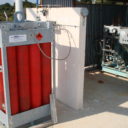
  • a 25 kW alkaline electrolyser capable of producing up to 5 Nm3/h of hydrogen at 20 bar, with a purity of 99,98%
  • novel metal hydride storage tanks with a total capacity of 40 Nm3
  • a single stage compressor, compressing hydrogen from 10 to 220 bar
  • a hydrogen filling station
  • a central control and data recording unit
  • peripheral systems for cooling/heating water, compressed instrument air etc.
The unit is driven by a 500 kW Enercon E40 wind turbine.
The unit was developed in the context of the EC funded RES2H2 project (project site: www.res2h2.com) in co-operation with other partners including C. ROKAS SA (compressor, filling station) and FIT in Cyprus (metal hydride storage tanks).
Hydrogen technologies based UPS comprising:
  • a 2,5 kW alkaline electrolyser capable of producing up to 0,5 Nm3/h of hydrogen at 17 bar, with a purity of 99,98%
  • innovative metal hydride storage tanks with a total capacity of 40 Nm3
  • oxygen storage tank with a capacity of 10 Nm3
  • a 5 kW PEM fuel cell
  • control and data recording system
The unit was developed in the context of the EC funded HELPS project in co-operation with other partners including Technicatome, France (fuel cell and control system).
Optimisation of RES-Hydrogen systems
  • Use of TRNSYS software and HYDROGEMS library for the optimization of autonomous RES-Hydrogen power systems
  • Use of HOMER software for modeling of RES-Hydrogen power systems
The above mentioned numerical tools were used in the market study for the introduction of hydrogen technologies in autonomous power systems, which was undertaken in the context of the EC funded project H-SAPS (www.hsaps.ife.no).
RES & Hydrogen technologies laboratory, comprising:
  • a 2,5 kW alkaline electrolyser capable of producing 0.5 m3Η2/hr
  • a 2,5 kW PEM electrolyser capable of producing 0.5 m3Η2/hr
  • bioethanol reformer for hydrogen production
  • Gas analysers
  • Reverse osmosis deionizer
  • Compressed gas storage tank with a capacity of 47 m3 of hydrogen at 16 bar
  • Metal hydride storage tank with a capacity of 28 m3 of hydrogen at 5 bar and auxiliary systems for the control of temperature of the tank and appropriate heating system
  • a 5 kW ΡEM fuel cell
  • a 1.8 kW Alkaline fuel cell
  • Peripherals for the safety, control (including compressed instrument air) and data recording
  • Water chiller
The laboratory is being developed in CRES’s premises in Pikermi and will be ready in early 2007; it is funded through the Operational Programme for Competitiveness, Measure 4.5.
Other Activities:
  1. CRES is a member of the Greek Hydrogen Association
  2. the Head of Section is a member of the BoD of the Greek Hydrogen Association
  3. the Head of Section represents Greece in the Hydrogen Co-ordination Group of International Energy Agency
  4. the Head of Section participates in the Hydrogen and Fuel Cells Technology Platform of EC, as co-chair of the Hydrogen Production Group and member of the Implementation Panel
  5. CRES participates in the Core Group of the EC funded Roads2HyCOM project, which will contribute in the creation of the appropriate framework for the development of the first Hydrogen Communities
Hellenic Hodrogen Island:
CRES is leading an initiative of many Greek organizations for the realization of projects related to hydrogen production, storage and use in Milos island, which will contribute to the development of the first “Hellenic Hydrogen island”.
For more information click here (site in Greek).
IMG_0600-scaled

HYDROELECTRIC ENERGY

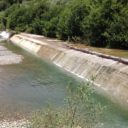
  • Evaluation of possible sites for new small hydro plants
  • Evaluation of small hydro plants in operation (testing, efficiency measurement, optimization of operation)
  • Provision of technical support and assistance for the promotion and potential exploitation of small hydroelectric power plants
ape_pv

PHOTOVOLTAIC SYSTEMS

Photovoltaic Systems Laboratory
It includes:
  • An electronics laboratory
  • A solar radiation measurements laboratory
  • A battery laboratory
  • A photovoltaic frames testing laboratory
The photovoltaic systems laboratory provides the following services:
  • Laboratory testing of various battery types and technologies based on international standards
  • Measurement and control of photovoltaic systems and electric vehicles
  • Testing of photovoltaic frames and power electronic devices.

INVESTMENT PROGRAMMES SUPPORT ON RENEWABLE ENERGY SOURCES (RES)

  • Project planning studies.
  • Technical monitoring and technical evaluation of investment projects.
  • Evaluation of investment proposals.
  • Certification of projects.
  • Dissemination and promotional activities.

TRAINING PROGRAMMES FOR RENEWABLE ENERGY SOURCES (RES)

  • Studies on the planning of training programmes.
  • Organization of seminars.
  • Production of technical guides and audio-visual material.